Energy Efficiency: What It Is and How to Improve It
Discover what energy efficiency means, why it matters, and how to improve it. Explore practical energy-saving tips for homes, businesses, and industries.
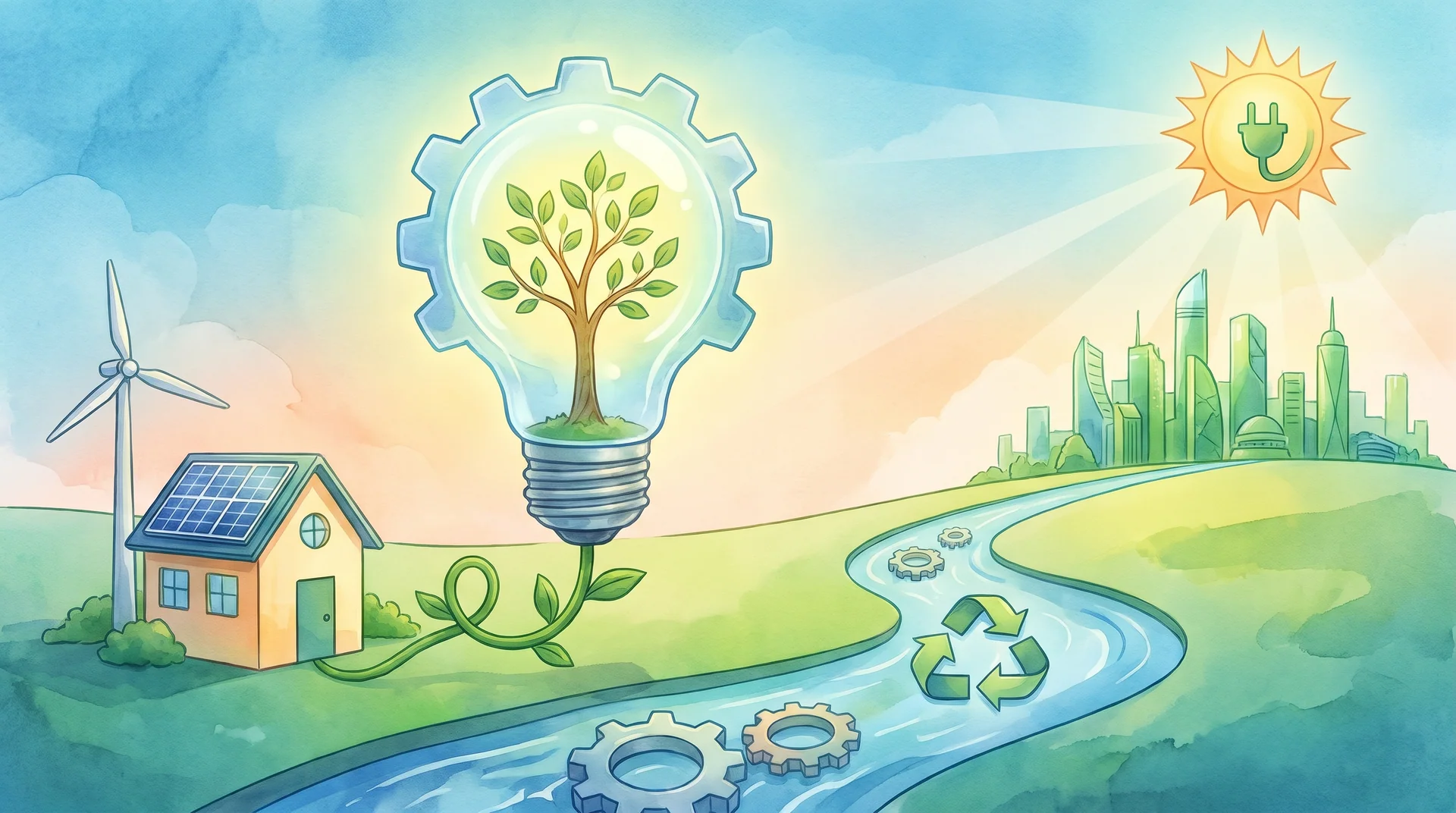
Energy Efficiency: What It Is, Why It Matters, and How to Improve It
Energy is absolutely vital to pretty much everything we do. You need it to light your house, run your computer, manufacture goods, and travel. Modern life in general is built on having an energy supply.
However, using more energy doesn't necessarily lead to better results. A huge amount of equipment, buildings, vehicles, and industrial processes use far more energy than necessary to do the job.
This is where energy efficiency really comes into its own.
Energy efficiency lets us achieve the same level of comfort, productivity, and performance at a lower energy cost. It can lower electricity bills, reduce environmental impact, improve energy security, and support a more sustainable future.
In this guide, we cover what energy efficiency is, why it matters, how it works, and how individuals, businesses, and industry can improve it.
What Is Energy Efficiency?
Energy efficiency is the ability to do the job or provide the service using the minimum amount of energy.
In simple terms, energy efficiency means using less energy to achieve the same result without sacrificing performance, comfort, or quality.
For example, an LED bulb can provide the same level of illumination as a traditional incandescent bulb while using much less power.
An energy-efficient fridge keeps your food at the correct temperature and uses less electricity than a less efficient fridge.
The concept applies to almost every sector that uses energy, including:
Residential buildings and households
Commercial buildings and offices
Industrial manufacturing
Transportation systems
Electricity generation and distribution
Agriculture and food production
Energy efficiency, as defined by the European Commission, is about improving the ratio of useful output to energy input.
Energy Efficient Products+1
A simple example of energy efficiency
Imagine two light bulbs of the same brightness.
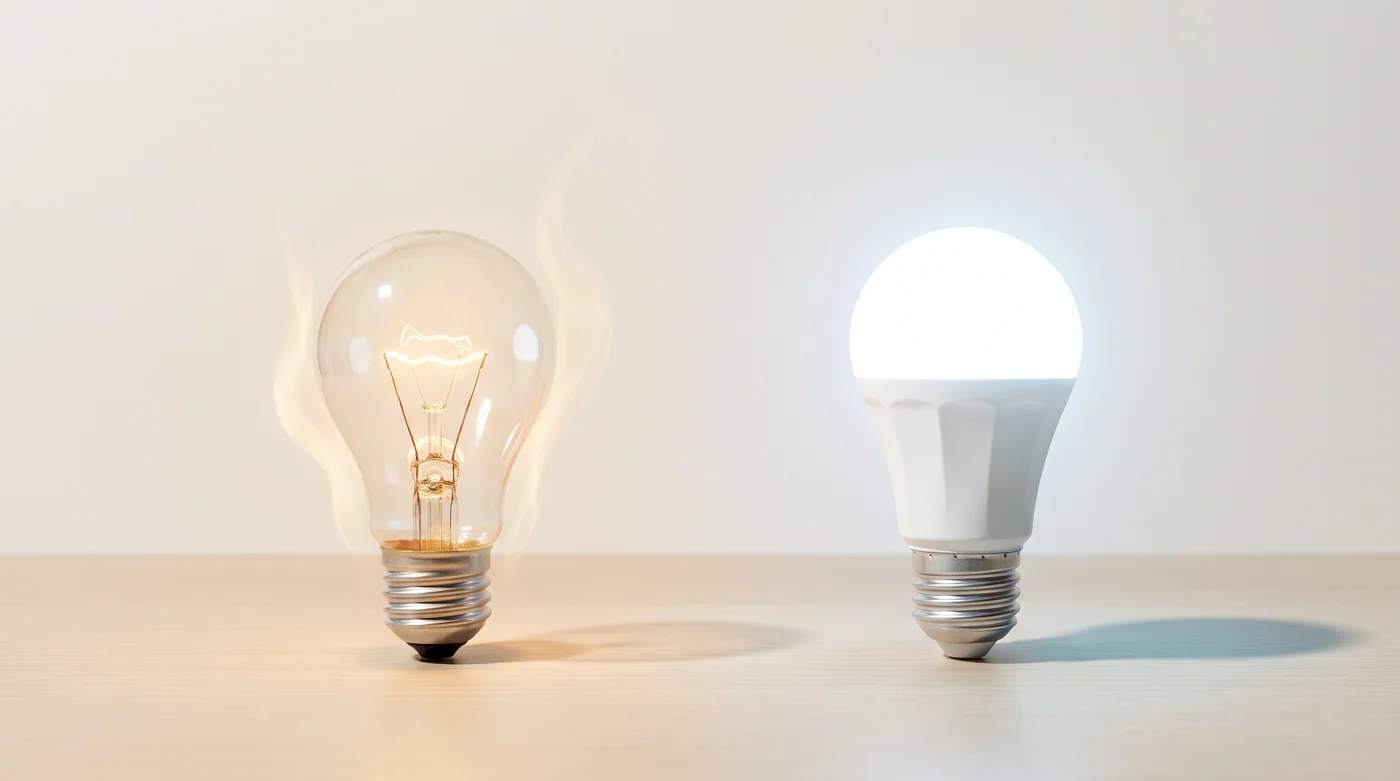
Technology | Incandescent | LED |
Power consumption | 60 W | 9 W |
Light output | 800 lumens | 800 lumens |
Energy used in 5 hours | 0.30 kWh | 0.045 kWh |
Both bulbs produce pretty much the same light, but Bulb B uses 85% less power.
The calculation is:
For the 60 W bulb:
For the 9 W LED:
This is the essence of energy efficiency: getting the same useful service with less energy.
How does energy efficiency work?
Energy efficiency is about reducing the energy wasted in delivering a service or running a system.
Whenever energy is transferred from one form to another, some of it may become less useful for its intended purpose. This can happen through heat loss, friction, electrical resistance, inefficient equipment, or poor system design.
For instance, a conventional incandescent bulb converts much of its electrical energy into heat rather than light.
An LED uses a completely different technology, which is more efficient at producing light.
Energy efficiency improvements can therefore involve:
Replacing the inefficient technologies with better ones.
Reducing energy losses in conversion and transmission.
Improving the design of buildings and equipment.
Using automation and intelligent control systems.
Maintaining equipment so it works as intended.
The objective is not to eliminate energy use. It's about reducing energy used in an unproductive way while still delivering useful output.
Understanding energy efficiency with a formula
For a simplified system, energy efficiency can be expressed as:
Where:
represents energy efficiency.
Useful energy output is the energy that is delivered for the required purpose.
Total energy input is the energy input to the system.
For example, if a machine receives 1,000 joules of energy and delivers 800 joules as useful output:
The machine is 80% energy efficient.
This is a useful simplified formula for energy conversion systems. In other applications, efficiency is defined as useful output per unit of energy (e.g., lumens per watt for lighting, products manufactured per kWh).
Energy Efficiency vs. Energy Conservation
Energy efficiency and energy conservation are closely linked but are not the same.
Energy efficiency is about improving the technology or the system that you use to do the job. Energy conservation is about reducing the amount of energy you consume through changes in behavior or activity.
The EIA distinguishes between technical performance and end-use behavior.
U.S. Energy Information Administration (EIA)+1
Uses improved technology | Uses changes in behavior |
Maintains the same service | May reduce the amount of service |
Replaces inefficient equipment | Avoids unnecessary usage |
Example: LED lighting | Example: Turning off unused lights |
Example: Efficient air conditioner | Example: Using air conditioning for fewer hours |
Both approaches are important.
For example, replacing an old air conditioner with a more efficient one will improve energy efficiency. Using that air conditioner only when you need it will make a massive difference in energy conservation.
Combining both approaches can deliver greater energy savings than either one individually.
Why is energy efficiency important?
Energy efficiency is important because of the economic, environmental, and social benefits it provides.
It enables individuals and organizations to reduce their unnecessary energy consumption and helps to underpin more robust and sustainable energy systems.
1. Reduces electricity bills
One of the most obvious benefits of energy efficiency is lower energy bills.
When an appliance or building uses less electricity to do the same job, you have to buy less electricity from the utility.
For households, it could simply mean lower monthly electricity bills.
For businesses, energy efficiency reduces running costs and improves the bottom line.
The real savings will, of course, depend on actual electricity prices, equipment performance, how it's used, and the cost of the efficiency improvements.
2. Reduces greenhouse gas emissions
A large amount of the world's energy still comes from fossil fuels. When you generate electricity from coal, oil, or natural gas, you emit greenhouse gases into the atmosphere. Reducing unnecessary energy consumption will, of course, reduce the amount of electricity or fuel required and, hence, the associated emissions.
The size of the emissions reduction depends on the energy source and the timing and location of energy use.
Energy efficiency is widely recognized as an important component of climate change mitigation.
UNEP - UN Environment Programme+1
3. Improves energy security
Countries that depend heavily on imported energy can be vulnerable to supply disruptions and changes in international energy prices.
Improving energy efficiency reduces the amount of energy required to support economic activity.
This can help reduce import dependence, improve resilience, and make energy systems less vulnerable to external shocks.
4. Reduces pressure on electricity grids
Electricity demand can rise significantly during periods of high cooling or heating demand.
Efficient appliances, buildings, and industrial processes can reduce electricity demand and help ease pressure on the grid.
This can reduce the need for additional generation capacity and help electricity systems operate more reliably.
5. Improves comfort and productivity
Energy efficiency is not simply about reducing energy consumption.
Well-designed buildings can also provide:
Better thermal comfort
Improved indoor air quality
More consistent lighting
Reduced noise from equipment
Better working and living conditions
For example, appropriate shading, ventilation, and insulation can help maintain comfortable indoor temperatures without excessive cooling or heating.
6. Supports sustainable economic development
Energy efficiency can help businesses improve productivity while reducing energy costs.
It can also create demand for energy audits, efficient equipment, building improvements, automation, and energy management services.
The International Energy Agency identifies economic, operational, and social benefits beyond energy savings alone.
IEA+1
Examples of Energy Efficiency in Everyday Life
Energy efficiency can be applied to pretty much any activity that requires energy. Some improvements are straightforward; others require more investment in new technology or a complete system redesign.
Designing with Light: Simple Ways to Brighten Up Any Room
EV Charger Surge Protection Device (SPD) | SUNFULL
8
Energy-efficient lighting
LED lighting is probably the most familiar example of energy efficiency.
LEDs use less electricity than traditional incandescent bulbs to produce the same amount of light, and they generally last longer.
Other improvements include:
Using daylight whenever practical.
Installing motion sensors in low-occupancy areas.
Using task lighting rather than general room lighting.
Choosing the right lighting levels for each space.
Energy-efficient appliances
Modern appliances use less energy without losing performance.
Examples include:
High-efficiency refrigerators.
Efficient washing machines.
Inverter air conditioners.
Heat pump water heaters.
Energy-efficient dishwashers.
When you're buying an appliance, compare energy consumption rather than just the purchase price or its appearance.
Energy labels and standardized efficiency ratings help consumers compare products.
ENERGY STAR+1
Energy-efficient transportation
Transportation efficiency means reducing the energy needed to move people or goods from one place to another.
Examples include:
Electric vehicles.
Hybrid vehicles.
Fuel-efficient cars.
Public transportation.
Cycling and walking.
Efficient logistics and route planning.
Electric vehicles use energy more efficiently than conventional petrol vehicles, as the electric motor converts electrical energy into motion with far fewer conversion losses.
However, the overall environmental impact also depends on electricity generation, vehicle manufacturing, battery production, and other lifecycle factors.
Energy-efficient industrial systems
Industries use energy to operate machinery, produce materials, manufacture products, and maintain production environments.
Efficiency improvements may include:
High-efficiency electric motors.
Variable frequency drives (VFDs).
Heat recovery systems.
Efficient boilers and furnaces.
Automated process controls.
Improved compressed-air systems.
These technologies can reduce energy consumption while maintaining or increasing industrial production.
How to Improve Energy Efficiency at Home
Improving home energy efficiency does not always require expensive renovations.
Many households can begin with simple improvements and gradually invest in more advanced solutions.
1. Replace inefficient lighting with LEDs
LED lighting is a practical starting point.
Replace frequently used incandescent or inefficient bulbs with appropriately rated LED alternatives.
Look for bulbs that provide the required brightness while consuming less electricity.
For example, a 9 W LED may replace a traditional 60 W incandescent bulb when both provide comparable light output.
2. Choose energy-efficient appliances
When purchasing new appliances, compare their energy consumption.
Consider:
Energy efficiency labels.
Annual electricity consumption.
Appliance capacity.
Expected operating hours.
Maintenance requirements.
Purchase price and expected lifetime.
A more expensive appliance may provide better long-term value if its energy savings justify the additional cost.
However, replacing a functioning appliance prematurely is not always the most economical or environmentally beneficial choice.
3. Improve cooling and ventilation
Cooling can be a major source of electricity use in warm climates.
Practical improvements include:
Using ceiling fans to improve air circulation.
Keeping direct sunlight out of indoor spaces with suitable shading.
Maintaining air conditioner filters.
Selecting an appropriately sized air conditioner.
Using natural ventilation when outdoor conditions are suitable.
Avoiding unnecessary cooling of unoccupied rooms.
In tropical climates, including Sri Lanka, shading, ventilation, and efficient cooling equipment can be particularly useful.
The best combination depends on humidity, outdoor temperature, building design, and occupancy patterns.
4. Reduce unnecessary standby power
Some electronic devices continue consuming electricity when they are not in active use.
This is commonly called standby power.
Examples may include televisions, computers, chargers, and certain home entertainment devices.
Switching off equipment when you don't need it can reduce unnecessary consumption.
However, some devices need to remain powered for safety, updates, network connectivity, or other functions. Avoid disconnecting equipment if it could cause problems.
5. Use refrigerators efficiently
Refrigerators run continuously, so efficiency matters.
Useful practices include:
Keeping the refrigerator away from direct sunlight and heat sources.
Maintaining appropriate ventilation around the appliance.
Avoiding unnecessary door opening.
Checking door seals.
Using appropriate temperature settings.
Allowing adequate space for air circulation inside.
Following the manufacturer's installation and maintenance instructions.
6. Improve water heating efficiency
Water heating can be a significant energy consumer in the home if you're using an electric water heater.
Possible improvements include:
Using efficient water heaters.
Insulating hot water pipes and storage tanks where appropriate.
Reducing unnecessary hot-water use.
Maintaining the equipment according to the manufacturer's instructions.
Consider heat pump water heaters where appropriate.
The best option depends on climate, household demand, installation cost, and available energy sources.
7. Monitor household energy consumption
Understanding where you use energy is a key step toward improving efficiency.
Useful monitoring methods include:
Reviewing electricity bills.
Using smart meters where they are available.
Monitoring appliance consumption with appropriate energy meters.
Tracking monthly electricity usage.
Comparing consumption pre- and post-improvements.
Monitoring can help you spot unusual consumption patterns and determine whether an energy-saving measure is working as expected.
ENERGY STAR and the U.S. Department of Energy recommend reviewing your energy use to find ways to improve.
ENERGY STAR+1
Energy Efficiency in Buildings
Buildings are a key area for energy efficiency gains.
The IEA says buildings account for around 30% of global final energy consumption and more than half of all electricity consumption.
IEA
Buildings use energy for lighting, cooling, heating, ventilation, water heating, and electrical equipment.
Improving building efficiency means reducing the energy required to maintain a comfortable, functional indoor environment.
Passive building design
Passive design uses the building's and its surroundings' characteristics to reduce energy demand.
Important design considerations include:
Building orientation.
Window placement.
Natural ventilation.
External shading.
Roof design.
Thermal insulation.
Daylight availability.
For example, well-designed shading can reduce unwanted solar heat gain and lower a building's cooling load.
Insulation and air sealing
Insulation reduces unwanted heat transfer through building elements.
Air sealing reduces uncontrolled air movement through gaps and openings.
In hot climates, reducing unwanted heat gain can help lower cooling demand. In cold climates, insulation can reduce heat loss and heating demand.
The appropriate approach depends on local climate and building construction.
Smart building management systems
Building management systems (BMS) use sensors, controls, and automation to manage building equipment.
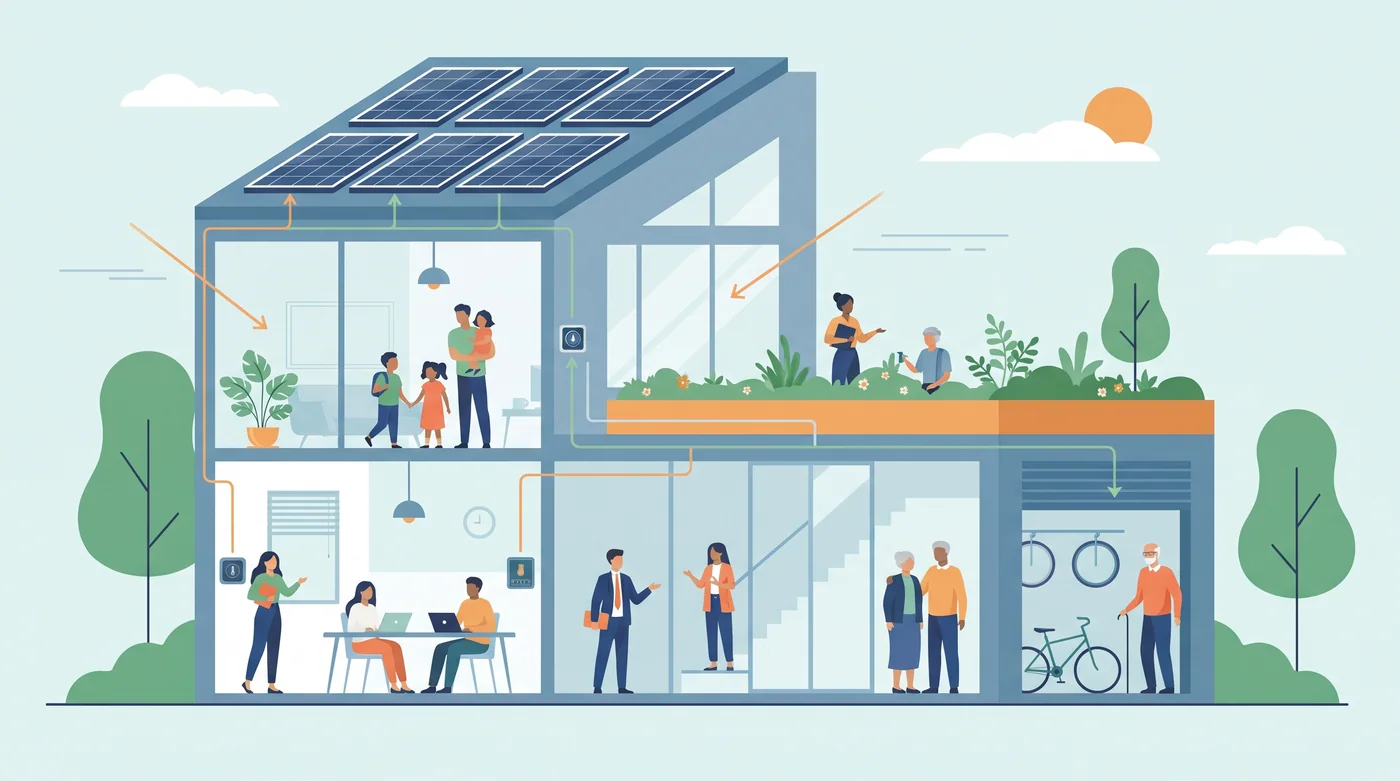
They can monitor and control:
Lighting.
Heating and cooling.
Ventilation.
Occupancy.
Energy consumption.
Equipment operation.
A well-designed BMS can improve efficiency by adjusting equipment operation to match actual building needs.
However, automation alone does not guarantee energy savings. Poorly configured systems can waste energy just as effectively as outdated equipment.
Energy Efficiency in Industry
Industrial energy efficiency is important because manufacturing and industrial processes require substantial amounts of energy.
Improving efficiency can reduce operating costs, lower energy demand, and improve production performance.
High-efficiency motors
Electric motors are widely used in pumps, fans, compressors, conveyors, and manufacturing equipment.
Replacing inefficient motors with appropriately selected high-efficiency models can reduce electricity consumption.
However, motor selection should consider load, operating hours, speed, and the overall system.
Variable frequency drives
Variable frequency drives control electric motor speed.
They are particularly useful in applications where motor speed varies with demand.
For example, a fan or pump may not need to operate at full speed continuously.
A VFD can adjust motor speed to match the required output, potentially reducing energy consumption.
Waste heat recovery
Industrial processes often generate heat that is not fully utilized.
Waste heat recovery systems capture some of this heat for useful purposes.
Applications include:
Preheating process materials.
Heating water.
Supporting other industrial processes.
Improving overall system performance.
The feasibility of heat recovery depends on temperature, heat availability, operating conditions, and investment costs.
Energy management systems
Energy management systems help organizations monitor and optimize energy consumption.
They can identify inefficient equipment, track energy performance, and support continuous improvement.
The ISO 50001 energy management standard provides a framework for organizations to establish, implement, maintain, and improve an energy management system.
Energy Efficiency and Renewable Energy
Energy efficiency and renewable energy are two important components of a sustainable energy system.
However, they solve different problems.
Energy efficiency reduces the amount of energy required to provide a service. Renewable energy provides energy from naturally replenished sources, such as sunlight, wind, and water.
Consider a household with solar panels.
If the household consumes 20 kWh of electricity per day, it may require a larger solar installation than a household that consumes only 10 kWh per day, assuming comparable generation conditions.
Improving energy efficiency can reduce the electricity demand that the solar system needs to serve.
This can potentially reduce:
The required solar panel capacity.
The size of the battery storage system.
Electricity purchased from the grid.
The overall cost of an energy system.
Energy efficiency can also help renewable energy systems meet a greater proportion of total energy demand.
However, efficiency and renewable energy are not interchangeable. A building can be highly efficient while still using electricity generated from fossil fuels. Similarly, renewable energy can supply an inefficient building.
The strongest approach combines efficient energy use with cleaner energy sources.
How to Measure Energy Efficiency
Energy efficiency can be measured in different ways depending on the system being evaluated.
The most suitable metric depends on the useful output and the type of energy consumed.
Lighting | Lumens per watt (lm/W) |
Electric motors | Percentage efficiency |
Buildings | Energy use per square metre |
Manufacturing | Energy per unit of production |
Vehicles | Energy per kilometre |
Solar panels | Percentage conversion efficiency |
Heat pumps | Coefficient of Performance (COP) |
Energy Use Intensity (EUI)
Energy Use Intensity is commonly used to compare buildings' energy performance.
It is calculated as:
For example, if a building consumes 100,000 kWh of energy annually and has a floor area of 2,000 m²:
A lower EUI may indicate better energy performance, but comparisons should account for climate, occupancy, building type, and the services provided.
Calculating Energy Savings
You can estimate energy savings by comparing energy consumption before and after an improvement.
The percentage reduction is:
For example, if an appliance previously consumed 500 kWh per year and now consumes 350 kWh:
The appliance uses 30% less energy under the compared conditions.
For more accurate comparisons, consider changes in operating hours, weather, production levels, and occupancy.
Common Energy Efficiency Myths
Several misconceptions can prevent people from making effective energy improvements.
Myth 1: Energy efficiency always requires expensive upgrades
Many efficiency improvements are inexpensive.
Examples include changing lighting habits, improving ventilation, maintaining appliances, and reducing unnecessary standby power.
Evaluate more expensive upgrades based on expected savings and payback period.
Myth 2: Energy-efficient appliances are always the best purchase
An efficient appliance is not automatically the best financial decision.
Purchase cost, expected lifetime, operating hours, maintenance, and actual energy savings all matter.
A rarely used appliance may not justify a large efficiency premium.
Myth 3: Renewable energy eliminates the need for energy efficiency
Renewables can reduce the environmental impact of energy supply, but they don't eliminate energy waste.
An efficient building can require less renewable energy capacity to meet its own needs.
Myth 4: Turning off lights is the same as improving efficiency
Switching off the lights when they're not required is a form of energy conservation.
Replacing the inefficient bulbs with LEDs is energy efficiency.
Both are useful; they're just two different approaches.
Myth 5: Energy efficiency means sacrificing comfort
Efficiency improvements can be properly designed to maintain or even improve comfort.
Efficient cooling, better ventilation, appropriate lighting, and improved building design can reduce energy use without harming indoor environmental quality.
Challenges and Limitations of Energy Efficiency
Despite the benefits, energy efficiency faces several practical challenges.
Initial investment costs
Efficient equipment and building improvements often require a higher capital outlay.
While such investments can reduce running costs, the savings may take time to offset the initial outlay.
Lack of information
Consumers may find it difficult to compare energy-efficiency ratings and expected running costs.
Clear energy labeling, accurate information, and proper energy assessments can help.
Rebound effect
The rebound effect occurs when improvements in energy efficiency lead to greater use of the energy service.
For instance, a household might install a more efficient aircon and then run it longer because of the lower running costs.
This doesn't necessarily eliminate the savings, but it may reduce the expected benefit.
Technical limitations
Not every efficiency gain suits every building or industrial process.
Climate, equipment compatibility, space, safety, and operating conditions will all affect the viability of an improvement.
The most effective energy-efficiency strategy starts with understanding how energy is used.
Frequently Asked Questions About Energy Efficiency
1. What is energy efficiency in plain English?
Energy efficiency is about doing the same job using less energy. A good example would be an LED bulb, which gives the same level of light as an incandescent bulb but uses far less electricity.
2. Why is energy efficiency important?
Energy efficiency reduces energy consumption, cuts electricity bills, reduces unnecessary emissions, improves energy security, and eases pressure on the electricity grid.
3. What are five examples of energy efficiency?
Five common examples are:
Replacing incandescent bulbs.
Using energy-efficient refrigerators.
Installing inverter air conditioners.
Improving building insulation and shading.
Using high-efficiency electric motors in industry.
4. What is the difference between energy efficiency and energy conservation?
Energy efficiency is using improved technology to deliver the same service with less energy. Energy conservation reduces energy consumption through behavior changes (e.g., turning off lights that aren't in use).
5. How can I improve the energy efficiency of my home?
Start with LED lighting, efficient appliances, better ventilation and shading, maintaining your A/Cs, minimizing standby power, and monitoring your electricity consumption.
6. Does energy efficiency lead to lower electricity bills?
Yes. If an appliance or building uses less electricity to provide the same service, electricity costs can go down. Actual savings depend on electricity prices, usage levels, and the extent of the efficiency improvement.
7. Is energy efficiency better than renewable energy?
Neither is universally better. Energy efficiency reduces energy demand; renewable energy changes the energy supply source. Together, they can reduce cost, emissions, and dependence on fossil fuels.
8. How is energy efficiency calculated?
For a simple energy conversion system, efficiency is useful energy output divided by total energy input, multiplied by 100.
9. What is an energy-efficient building?
An energy-efficient building provides the required services (lighting, cooling, heating, ventilation, etc.) whilst using less energy than a comparable building of lower efficiency.
10. What is the first step to improving energy efficiency?
The first step is to get a clear picture of current energy consumption. You can do this by reviewing electricity bills, monitoring equipment, and conducting an energy assessment to identify the most worthwhile improvements.
Conclusion: Building a More Energy-Efficient Future
Energy efficiency is one of the most practical ways to reduce energy consumption without losing the services that underpin modern life.
From replacing inefficient lighting to improving industrial processes and designing better buildings, many opportunities for individuals, businesses, and governments exist in energy efficiency.
Its benefits go well beyond the obvious savings on the electricity bill. Energy efficiency can improve comfort, reduce emissions, strengthen energy security, and build a more resilient energy system.
The most effective approach is to understand how energy is being used, identify unnecessary losses, and prioritize improvements that provide measurable benefits.
As renewable energy, smart technologies, and advanced energy management systems continue to develop, energy efficiency will remain essential to the global transition toward a more sustainable energy future.
The goal is not simply to use less energy. It is to get more value from every unit of energy we use.