Reduce Electricity at Home: 25 Practical Ways
Discover 25 practical ways to reduce electricity consumption at home, lower your electricity bill, improve energy efficiency, and save energy without...
Introduction
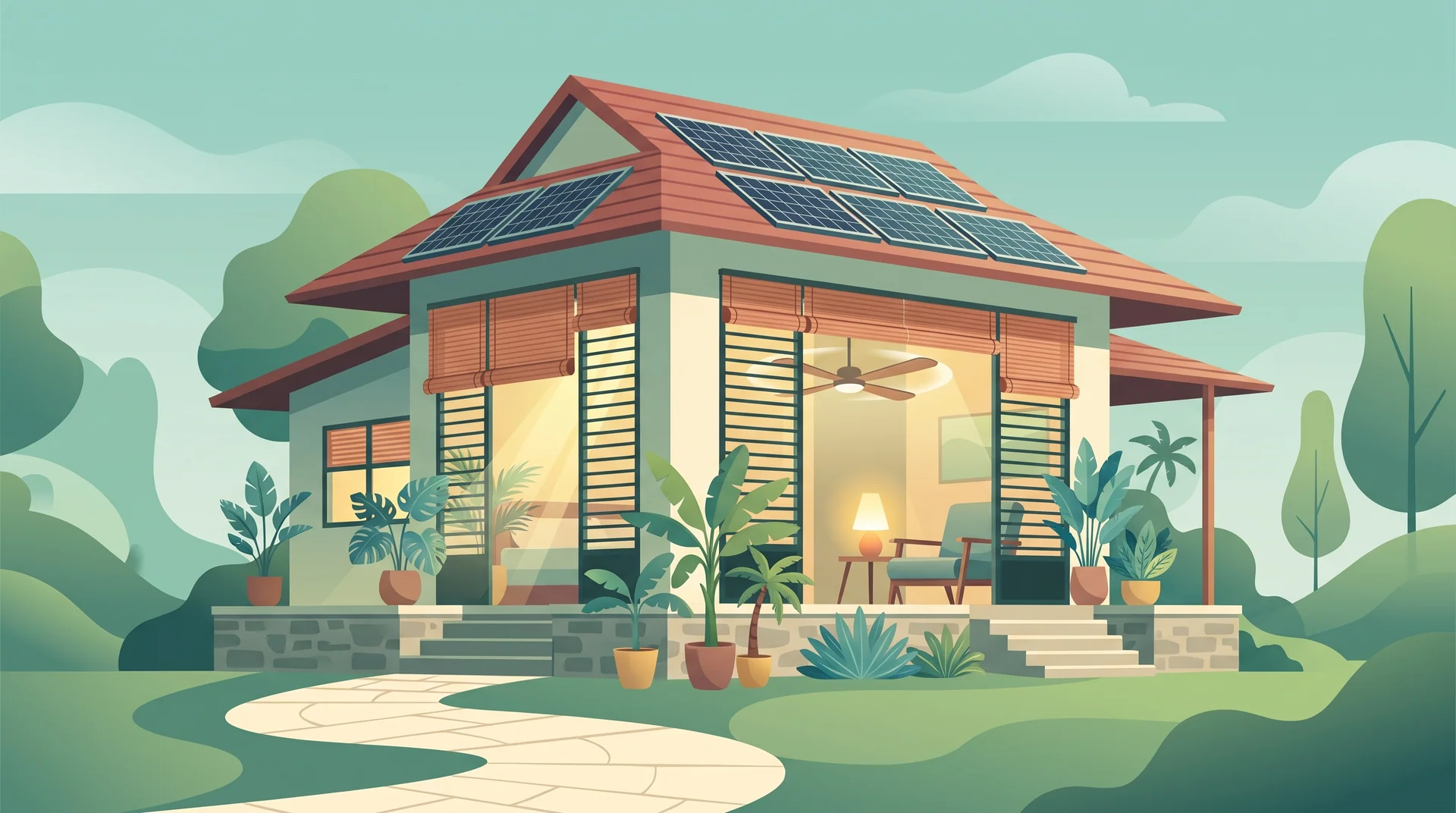
Electricity is vital to our everyday lives because we use it to light our homes, keep food fresh, cook meals, cool rooms, charge devices, and run many household appliances. The more dependent we become on electricity, the more expensive it is to keep a home comfortable.
The good news is that you don't have to live in the dark, give up air conditioning, or avoid your preferred appliances. In many situations, small adjustments to daily habits, using your appliances more efficiently, and making a few well-planned improvements can make a real difference.
Whether you live in a small flat, a family home, or a house in a tropical country like Sri Lanka, the first step to saving electricity is understanding where you use it.
The guide outlines 25 practical methods to reduce electricity use at home, from simple habits you can start now to longer-term measures that make your home more energy efficient.
Understanding Your Home's Electricity Consumption
Understanding how electricity consumption is measured helps you make changes.
Electricity is measured in kilowatt-hours (kWh), and one kilowatt-hour represents the energy a 1,000-watt appliance uses in one hour.
For example:
A 100-watt appliance running for 10 hours uses 1 kWh.
A 1,000-watt appliance running for one hour uses 1 kWh.
A 2,000-watt appliance running for 30 minutes uses 1 kWh.
The amount shown on your electricity bill usually includes the energy used during the billing period together with any applicable charges and taxes. The real cost per unit varies by electricity supplier and tariff.
A useful formula is:
Electricity consumption (kWh) = Appliance power (W) × Operating time (hours) ÷ 1,000
For example, a 75-watt fan running for eight hours uses:
75 × 8 ÷ 1,000 = 0.6 kWh.
Use this simple calculation to figure out which appliances need your attention.
25 Practical Ways to Reduce Electricity Consumption at Home
1. Replace Traditional Bulbs With LED Lighting
Saving electricity is one of the simplest places to start.
Traditional incandescent bulbs lose much of their energy as heat, while LED bulbs provide the same light using far less electricity.
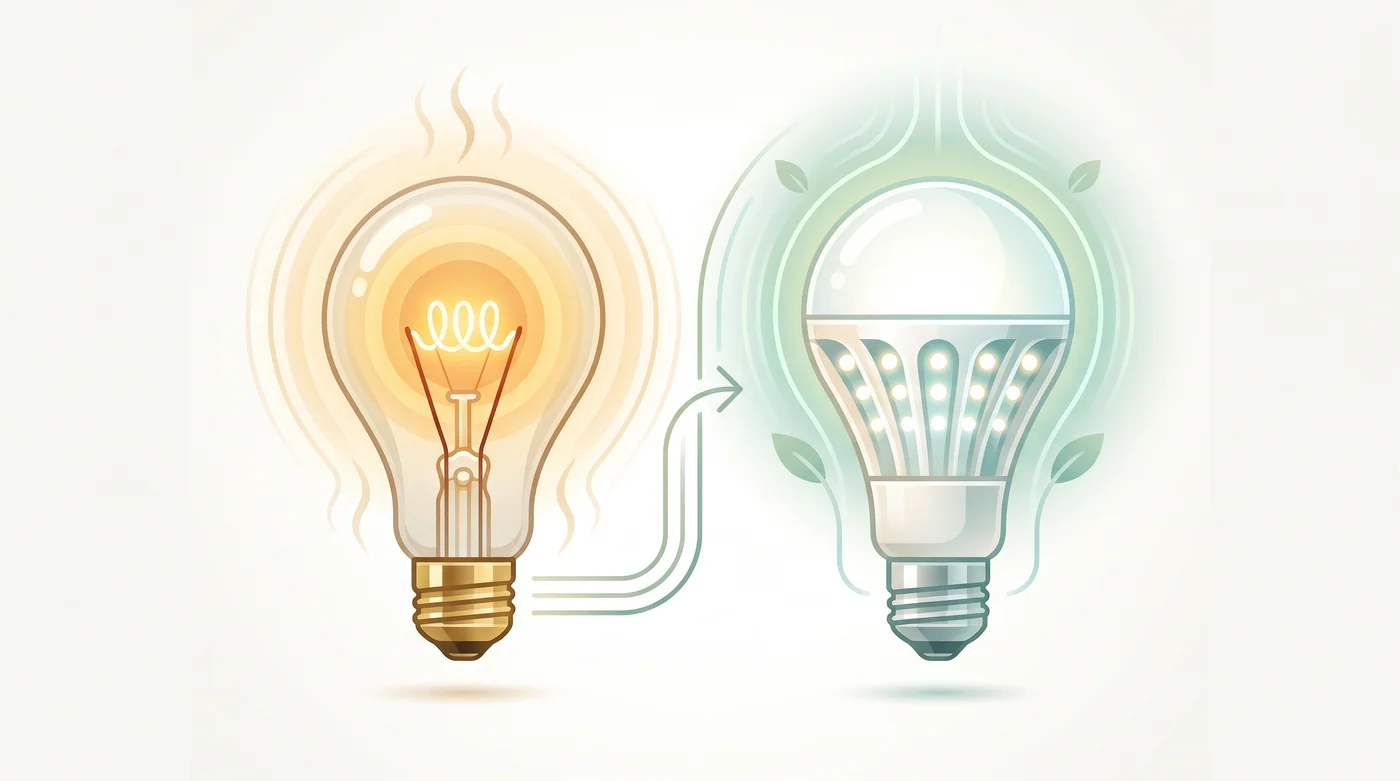
For instance, replacing a 60-watt incandescent bulb with an LED that provides the same brightness can greatly reduce lighting electricity use.
When you buy LED bulbs, choose based on lumens rather than wattage; select an appropriate color temperature for each room, and look for bulbs made by reliable manufacturers with good efficiency ratings.
Here's a practical tip: start by changing the bulbs you use most, for example, those in the living room, kitchen, and bedroom.
2. Turn Off Lights When They Are Not Needed
An empty room doesn't need lighting.
When leaving a room for a long time, turn off the lights and, where possible, use natural daylight.
LED bulbs handle frequent switching well, so there is no good reason to keep them on in unoccupied rooms.
For outdoor lighting, use motion sensors or timers where suitable.
3. Make Better Use of Natural Daylight
Opening curtains and blinds during the day helps reduce the need for artificial lighting.
When arranging workspaces, place them near windows; keep the windows clean, and don't put large objects where they would unnecessarily obstruct natural light.
In hot climates, direct sunlight can still raise indoor temperatures; shading, curtains, or blinds can strategically balance the need for daylight with the need for cooling.
4. Use Ceiling Fans Efficiently
Fans use much less electricity than air conditioners and can make people feel cooler by moving air.
Turn on the fan if it makes you more comfortable and turn it off when the room is empty. A fan creates a cooling effect without actually reducing the room's air temperature.
Instead, select a suitable speed rather than automatically choosing the highest setting. Make sure that the fan blades are clean and that the fan is properly maintained.
In warm climates, you can increase comfort by using a ceiling fan with an air conditioner set to a moderate temperature, without making the room excessively cold.
5. Set Your Air Conditioner to a Sensible Temperature
Air conditioning can account for a large portion of a home's electricity use, especially in hot, humid areas.

Set the temperature to the warmest setting that still feels comfortable. In many homes, 26°C or 27°C is a good place to start, though comfort levels, humidity, health needs, and room conditions can vary.
Lower settings usually increase cooling demand. Setting an air conditioner to 18°C does not mean it will cool the room proportionally faster, but it does make the system run longer.
To increase comfort, use a fan; when cooling the room, close doors and windows, and don't cool unoccupied rooms.
6. Clean and Maintain Air Conditioner Filters
Dirty air filters restrict airflow and reduce cooling performance.
Follow the manufacturer's recommendations for cleaning or replacing filters. In dusty environments or homes where you use the air conditioner frequently, check filters more often.
Make sure the outdoor unit isn't blocked, and have a professional service it when needed.
Maintenance won't guarantee a specific percentage of savings, but it helps the system function as intended and may prevent avoidable problems.
7. Choose an Energy-Efficient Air Conditioner
When you are purchasing a new air conditioner, compare models based on their energy-efficiency ratings and performance specifications.
An inverter air conditioner can vary how the compressor works to match the required cooling level, rather than repeatedly running at full capacity. Efficiency can improve under the right conditions, especially when the unit is properly sized.
Consider:
Room size and heat exposure
Energy-efficiency ratings
Inverter technology
Local climate and humidity
Installation quality
Maintenance requirements
Avoid buying a unit that is too large just because it has greater cooling capacity; proper sizing matters for comfort and efficiency.
8. Reduce Heat Entering Your Home
By keeping heat outside, you can reduce the work required by the cooling equipment.
To reduce unwanted solar heat, use curtains, blinds, external shading, or appropriate window coverings, and, where possible, shade exposed walls and windows.
If gaps exist around doors and windows, seal them to prevent significant unwanted heat or outside air from entering.
In tropical climates, ventilation can help when outside conditions are favorable, but opening windows during the hottest part of the day might raise the indoor temperature.
9. Use Your Refrigerator Efficiently
Refrigerators run continuously, so they must be efficient.
Keep it at the manufacturer-recommended temperature. Generally, set the refrigerator to 4 °C or below, and the freezer to −18°C.
Other helpful practices include:
Keep the refrigerator away from direct sunlight and heat-producing appliances.
Allow sufficient ventilation around the unit.
Check door seals for damage.
Avoid leaving the door open while deciding what to eat.
Let hot food cool properly before refrigerating it, and don't leave perishable food at room temperature for unsafe periods.
If necessary, defrost the appliance according to its design.
Don't switch off your refrigerator to save electricity, since food safety and reliable cooling matter more.
10. Consider Replacing an Old, Inefficient Refrigerator
An older refrigerator will use more electricity than a newer, well-designed one.
Before replacing it, check how well it works, how much energy it uses, and how much it would cost to repair. If it works properly, it may be more economical to keep it than to buy a new one.
When it is time to replace the refrigerator, compare the energy label with the estimated annual consumption of the different models available. Just because a refrigerator is bigger doesn't mean it is the better choice if your household doesn't need the extra capacity.
11. Run Washing Machines With Full, Appropriate Loads
Washing clothes in small batches increases total energy and water use.
Where possible, mix different laundry items to get a fairly full load, as long as you stay within the washing machine's capacity limits.
Select the right cycle for the clothing, and don't use a hot or intensive cycle when a cooler, shorter one will do.
Do not overload the machine, as it can reduce cleaning performance and put excessive strain on the appliance.
12. Wash Clothes With Cooler Water When Suitable
Heating water requires energy.
When washing everyday clothing and you want to clean it at a lower temperature, select a cool or cold wash setting.
Check the care labels on the garments and follow the washing machine's instructions. In some cases, for example,, with certain fabrics that are heavily soiled or laundry that requires special hygiene measures, you may need a hotter wash.
The objective is to use only the amount of heating that is actually needed.
13. Air-Dry Clothes Instead of Using an Electric Dryer
When weather and space permit, drying clothes on a clothesline or drying rack prevents the electricity a powered dryer would otherwise use.
Outdoor drying is especially practical on sunny, breezy days.
When the weather is humid, ensure garments have enough ventilation and are kept apart so they can dry properly. Avoid creating high indoor moisture, as it can lead to mould growth.
When using a dryer, clean the lint filter and follow the manufacturer's instructions.
14. Use Electric Irons More Efficiently
Electric irons can draw a lot of power when heating.
To reduce unnecessary use:
Iron several garments in one session.
Sort clothes by the temperature they require.
Start with garments that need lower heat.
Use the appropriate steam setting.
Switch off the iron when finished.
Don't iron clothes that don't need it, and hang clothes properly after washing to reduce wrinkles.
15. Use Cooking Appliances Thoughtfully
How you cook food can affect how much electricity you use.
For electric cooking:
Match cookware size to the heating element.
Use lids to retain heat.
Avoid preheating longer than necessary.
Turn off the element when appropriate and use residual heat safely.
Choose an appliance suited to the amount of food you're preparing.
When cooking small amounts of food, a microwave or a suitable appliance can use less energy than a large oven. However, the best choice depends on the appliance, cooking time, and quantity of food.
16. Use Electric Kettles Only for the Water You Need
Heating water takes extra energy.
Before turning on the kettle, work out how much you need. Keep it clean and descale it when mineral deposits build up, as the manufacturer's instructions state.
There is no good reason to heat a full kettle each time if you usually only make one cup of tea.
17. Reduce Unnecessary Water Heating
The energy an electric water heater uses depends on the system and the household's habits.
Follow the manufacturer's recommended temperature settings, and avoid excessively long showers.
Consider whether a timer, a thermostat, or a properly designed solar water-heating system might suit your household.
Don't lower a water heater's temperature below safe levels unless you clearly understand the system's hygiene requirements, since storage water heaters may need special temperature controls to prevent harmful bacteria from growing.
18. Switch Off Appliances Instead of Leaving Them on Standby
Some appliances still use electricity even when they appear to be switched off.
This is known as standby power, and it may happen in televisions, gaming systems, chargers, speakers, and other electronic devices.
When you don't need devices, unplug them or use a properly rated switched power strip, as long as this doesn't affect safety, essential functions, or the manufacturer's requirements.
The money saved from a single device is minor, but multiple devices running continuously can add up. Unplug Chargers When They Are Not Needed
Most modern chargers consume little power when they are not connected to devices, and many use very little power in standby mode.
Still, removing unused chargers can cut unnecessary electricity use and free up outlets.
Choose chargers or power supplies that are warm, keep working, or are plugged into devices that use standby power.
Don't unplug essential equipment or use damaged chargers.
20. Choose Energy-Efficient Appliances
When buying household appliances, consider more than the upfront price.
Check the energy labels, annual electricity consumption, capacity, and any features that reduce energy use.
Compare appliances of the same size and function; a smaller, more efficient appliance may be more economical than a larger one with unnecessary capacity.
In Sri Lanka, check the energy labels and specifications for the appliance category and model you're considering.
It may be worth paying a little more for an appliance that uses considerably less electricity over its useful life.
21. Use Computers and Monitors Efficiently
Computers, monitors, and home office equipment can use electricity for many hours every day.
Turn on sleep mode, lower the screen brightness, and switch off equipment when you won't use it for a long time.
With laptops, use appropriate power-saving settings and disconnect any peripherals you don't need.
When you use a desktop computer for demanding tasks, remember that its power use depends on both its hardware and the workload it carries.
22. Optimize Television and Entertainment Equipment
Large televisions and entertainment systems can consume electricity during long viewing sessions.
Use the television's energy-saving settings where available, adjust brightness to suit the room, and switch off devices when finished.
Avoid leaving entertainment systems running simply because they are convenient to have ready.
If your television supports automatic power-off or sleep timers, configure them to match your viewing habits.
23. Use Smart Plugs and Timers Where Appropriate
Smart plugs and timers can automatically control selected appliances.
They work well for devices such as decorative lighting or certain non-essential electronics that don't need to run continuously.
Some smart plugs can also measure electricity consumption, helping you identify how much energy a connected device uses.
Before using one, verify that its electrical rating matches the appliance. Do not connect high-power heaters, kettles, or other heavy loads unless the device is explicitly rated for that purpose.
24. Monitor Your Electricity Consumption
You cannot manage what you never measure.
Review your electricity bills and compare monthly consumption. If your household's consumption suddenly increases, investigate possible reasons such as changes in occupancy, weather, appliance use, or equipment faults.
For a more detailed assessment, use a suitable energy monitor or plug-in meter for compatible appliances.
Create a simple record of:
Monthly electricity consumption in kWh
The electricity bill
Major changes in household routines
New appliances or equipment
Your energy-saving measures
This makes it easier to determine which changes actually help.
25. Consider Solar Power and Other Long-Term Improvements
If you own your home and have suitable roof space, solar photovoltaic panels may help reduce the amount of electricity purchased from the grid.
However, solar panels are an investment, not an automatic saving. Their financial value depends on installation cost, sunlight, system performance, electricity tariffs, export arrangements, and your household's consumption patterns.
Before installing a system:
Review your electricity consumption and daytime usage.
Compare quotations from qualified installers.
Check applicable utility and regulatory requirements.
Understand maintenance, warranties, and any export compensation.
Evaluate the expected payback period using realistic assumptions.
Other long-term improvements may include better shading, efficient appliances, improved insulation where appropriate, and replacing poorly performing equipment.
How to Calculate Your Potential Electricity Savings
A practical way to estimate savings is to calculate an appliance's energy use before and after a change.
Suppose you replace a 60-watt bulb with a 9-watt LED and use it for five hours each day.
The difference in power is:
60 W − 9 W = 51 W.
Daily electricity saved:
51 × 5 ÷ 1,000 = 0.255 kWh.
Estimated monthly savings over 30 days:
0.255 × 30 = 7.65 kWh.
To estimate the monetary value, multiply the saved units by the applicable electricity rate. Your actual bill savings may differ because residential tariffs can include different pricing blocks, fixed charges, and other adjustments.
You can use the same method for fans, computers, and other appliances, as long as you have a reasonable estimate of their actual power consumption and operating time.
A Simple Seven-Day Electricity-Saving Plan
You do not need to implement all 25 ideas at once. Start with the changes that are easiest for your household.
Day 1: Check your electricity bill. Record your recent monthly consumption in kWh.
Day 2: Improve lighting. Turn off lights you don't need and identify frequently used bulbs you can replace with LEDs.
Day 3: Review cooling habits. Check air-conditioner settings, clean filters if needed, and use fans appropriately.
Day 4: Review kitchen appliances. Avoid heating excess water, use lids while cooking, and check refrigerator settings.
Day 5: Improve laundry habits. Combine suitable loads, choose appropriate wash temperatures, and air-dry clothes where practical.
Day 6: Check standby power. Identify unnecessary always-on electronics and consider safe ways to switch them off.
Day 7: Review your progress. Record the changes you made, and keep monitoring electricity consumption over the next billing period.
Remember that weather, billing dates, and household routines affect monthly consumption. A single bill isn't always enough to tell whether a measure worked.
Frequently Asked Questions
What is the easiest way to reduce electricity consumption at home?
Start by switching off unnecessary lights, replacing frequently used incandescent bulbs with LEDs, adjusting air-conditioning settings, and reducing avoidable appliance use.
The best starting point depends on which appliances consume the most electricity in your home.
Which household appliances use the most electricity?
The answer depends on how often appliances operate, their power ratings, and their efficiency.
Air conditioners, electric water heaters, clothes dryers, ovens, and refrigerators can contribute significantly. In a tropical household, air conditioning may be a particularly important source of consumption.
Does turning off appliances at the wall save electricity?
It can, particularly for appliances that consume standby power. The amount saved depends on the device and how long it would otherwise remain connected.
Avoid disconnecting equipment that requires continuous power for safety, operation, or essential functions.
Does an inverter air conditioner save electricity?
An inverter air conditioner can use electricity more efficiently under suitable operating conditions because it adjusts compressor output to match cooling demand.
Actual performance depends on the model, room size, temperature setting, installation, maintenance, and how you use the unit.
How can I reduce my electricity bill in Sri Lanka?
Start by checking your electricity consumption in units (kWh) and reviewing the appliances you use most often.
LED lighting, efficient fans, sensible air-conditioning use, careful water heating, and choosing efficient appliances are useful starting points. Check your current electricity tariff to estimate the monetary value of any units saved.
Is solar power worth installing at home?
Solar power can be worthwhile for households with suitable roof space and a favorable installation cost. The financial outcome depends on system size, electricity consumption patterns, local tariffs, and applicable grid arrangements.
Get a site-specific assessment before you buy.
How much electricity can I save by following these tips?
No single percentage applies to every home.
Savings depend on your starting consumption, climate, appliance efficiency, household size, and which changes you implement. A household that already uses efficient appliances may have less room for improvement than one with inefficient cooling equipment or excessive standby consumption.
Measure your own consumption to understand the results.
Conclusion
It's not about giving up the comforts of modern living to reduce electricity use at home; it's about using electricity more intelligently.
Start with simple habits, like switching off unused lights, using fans more effectively, choosing appropriate appliance settings, and avoiding unnecessary energy use. Then consider more substantial improvements, such as efficient air conditioning, better shading, or solar power, when they make sense for your household.
Most importantly, track your electricity consumption and evaluate the results. Even small improvements can be worthwhile if you maintain them over time.
A more energy-efficient home can lower household expenses, reduce unnecessary energy demand, and use available electricity more effectively.
The most effective energy-saving strategy is simple: understand where your electricity goes, reduce waste, and make improvements that suit your home.